
Hi, I'm Shayer Khan
I am a curious person inspired by clever technology. Recently, my motivations involve fields in Engineering, Agentic Systems, and Network Infrastructure. I also enjoy Game Design, Pixel Art, and 2D Animations. I exclusively use a Mouse for Art.
What am I building with?
My Tech Stack
See my resume for a full list of skills/technologies!
Experience
Computational Student Researcher
George Mason University - College of Engineering and Computing
Jan 2026 - Present
Investigated failure modes in deterministic Schelling simulations and built a probabilistic Python search with hash-based memoization, reducing runtime from roughly 30 minutes to 5.
Student Instructor
George Mason University
Jan 2026 - Present
Designed and taught a 10-week, 1-credit course on React, Next.js, React Native, and TailwindCSS for 20+ students. Introduced state management, performance optimization, pull-request reviews, and CI/CD workflows.
DevOps Student Researcher
George Mason University - College of Engineering and Computing
Feb 2025 - Jan 2026
Analyzed 500 GitHub repositories across Windows, Ubuntu, and macOS to identify OS-dependent flaky-test causes. Automated cross-platform testing with Python and GitHub Actions, scaling to 1,000+ weekly runs and reducing debugging time by 70%.
Campus Expert
GitHub
Oct 2025 - Present
Selected as a GitHub Campus Expert and led PatriotHacks for 500+ participants, organizing 10+ mentor-led workshops. Partnered with industry mentors to create project-based learning experiences.
Software Engineer Intern
Kite Games Studio
Jun 2025 - Aug 2025
Built and deployed a Next.js diff checker that reduced QA turnaround by 40%, then strengthened CI/CD to cut deployment errors by 30%. Improved debugging workflows across three production apps, reducing bug resolution time by 20%.
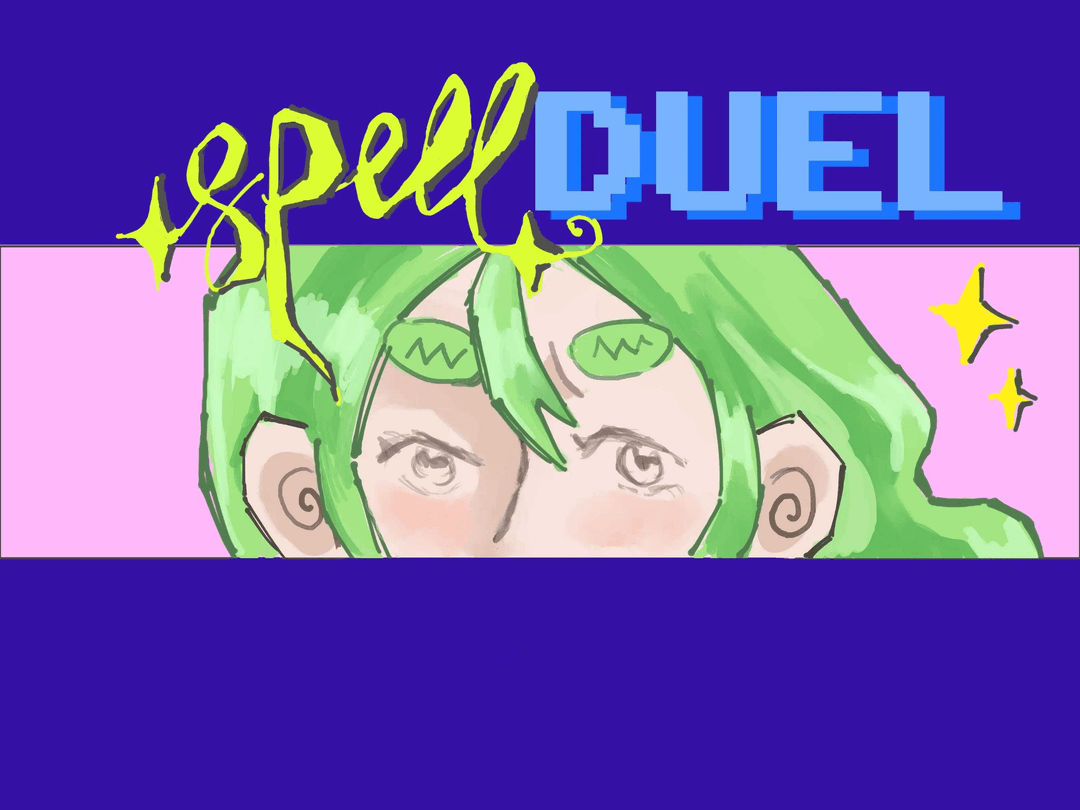
SpellDuel
Deterministic 60 Hz server-authoritative multiplayer simulation with TypeScript, Python, and WebSockets, using prediction, reconciliation, and rollback to handle latency. Trained a MediaPipe/Keras ASL model, reducing inference latency from 2 seconds to 10 milliseconds at 95% accuracy. Deployed Dockerized server to Oracle
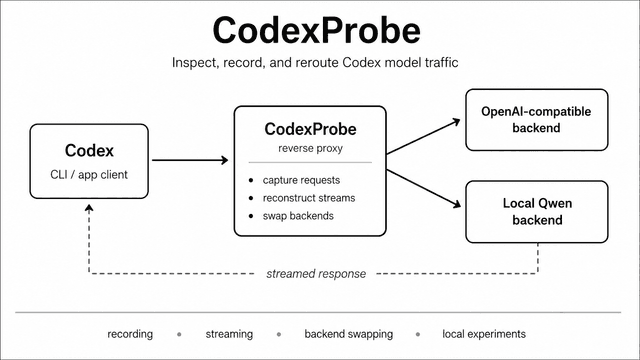
CodexProbe
Built CodexProbe, a reverse proxy that records and reconstructs Codex LLM traffic while enabling config-driven backend swaps. Tested local Qwen models through Codex, uncovering key incompatibilities with Codex’s JavaScript/V8 tool-execution contract.

Outfitted.AI
Won Best Use of Gemini at UVA's HooHacks 2025. Built a mobile application that allows taking a picture of the user's outfit, matching them with the best shoes. Implemented Gemini Flash 2.0 that generates the shoe's image, and Serp API that scrapes the web to find similar shoes.

Axon
Autonomous agent with macOS Accessibility APIs and a perceive-reason-act loop, using Gemini Flash for reasoning, decisions, and automation. Built a fault-tolerant system across Perception, Reasoning, Action, Memory, and Core with error recovery, and monitoring pipelines.
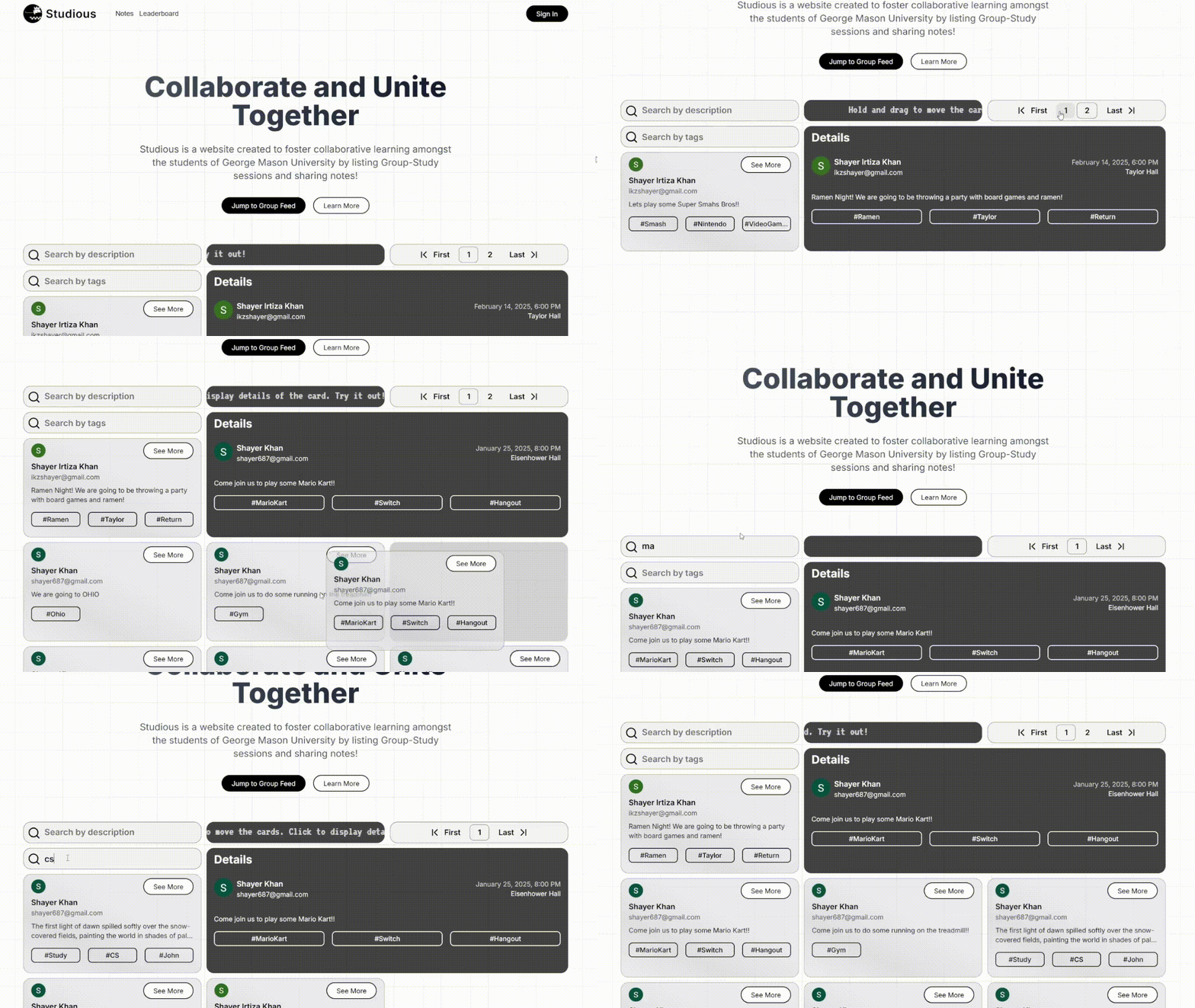
Studious
Built responsive React interfaces with Next.js and TailwindCSS, improving load speed by 30% while supporting real-time event updates. Created RESTful Node.js APIs for event creation and secure authentication, and used MongoDB caching and server-side optimization to improve response time and scalability.

3D Lounge
An interactive 3D lounge built with Three.js, featuring character movement, a functional radio player, and a video-enabled TV. This project explores playful 3D interaction, embedded media, and creating a simple immersive web environment.

Koala, Discord Bot
Completely automated moderation in servers in 10+ servers, implemented a life simulator game storing data from 100+ users using MongoDB and designing engaging and fun commands. Implemented music listening functionality using ffmpeg and Node.js modules. Unfortunately, the bot has been discontinued.

Helping Hands
Built a volunteer matchmaking platform that allows people to create postings for volunteer work, matching them with people based on tags and preferences. Implemented an advanced authentication system utilizing Express and MongoDB for storing data.

Better Steps
The model uses Random Forest classifier to make predictions. On the front end, designed an interface that accepts both image uploads and manual inputs. For the backend, used Django and Flask to process the data. Also integrated Tesseract OCR to extract text from images, allowing for data interpretation from lab reports.